
People Listing

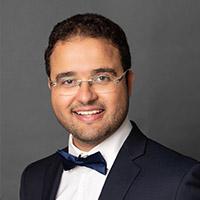
Anas Abdallah
Associate Professor and AFM Coordinator
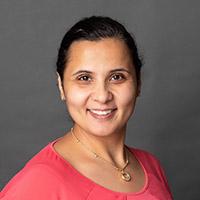
Hanadi Attar-Elbard
Graduate Administrative Assistant
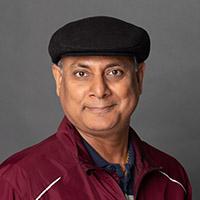
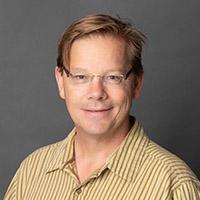
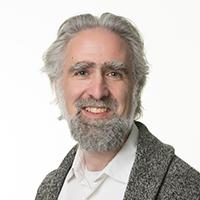
Ben Bolker
Professor, Director of School of Computational Science and Engineering and Associate Chair (Graduate)
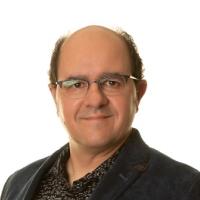

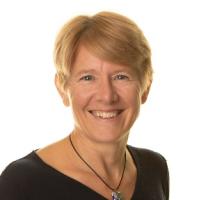
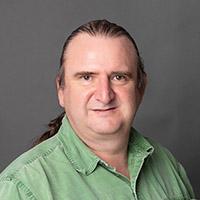


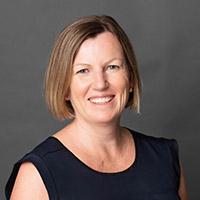
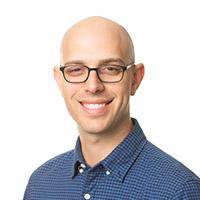
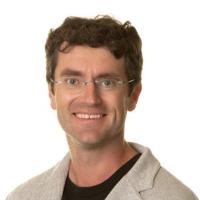
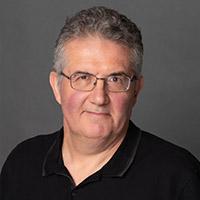
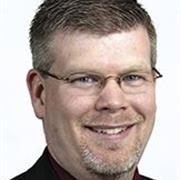

Emily Warnock
Graduate Administrative Assistant
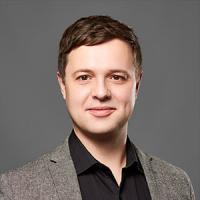
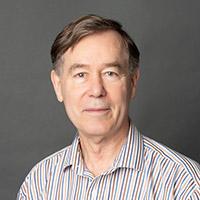
Ian Hambleton
Dr. F. Ronald and Helen E. Britton Professor of Mathematics
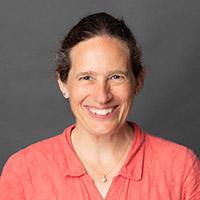
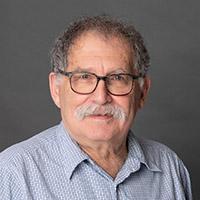

Caroline Junkins
Assistant Professor
On leave until May 2025
Il Yong Kim
Adjunct Associate Professor
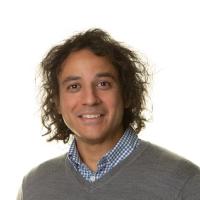
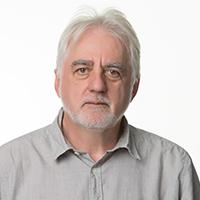
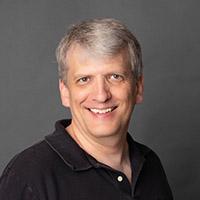
David Lozinski
Associate Professor and MFM Program Director
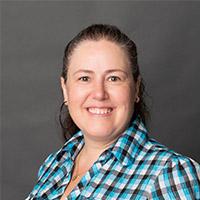
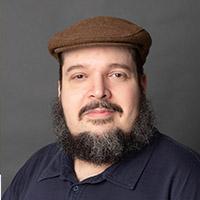
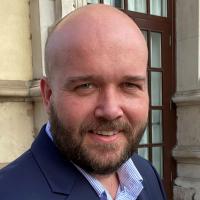
Paul McNicholas
Professor, Canada Research Chair
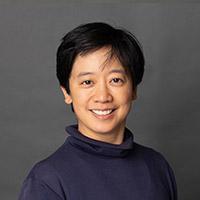
Megumi Harada
Professor and Canada Research Chair
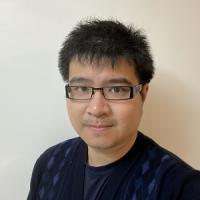
Michael Li
Adjunct Assistant Professor
Orla Murphy
Adjunct Assistant Professor
Petar Jevtic
Adjunct Assistant Professor
Scott Rodney
Adjunct Associate Professor
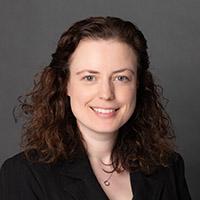
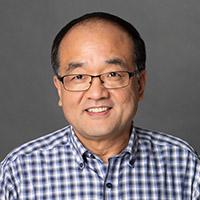
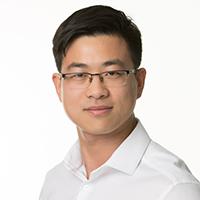
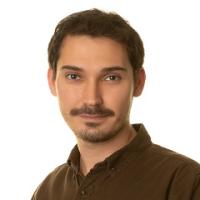
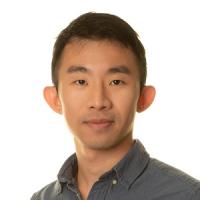
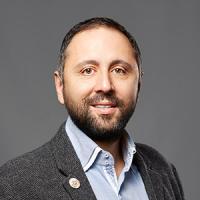
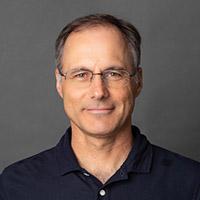
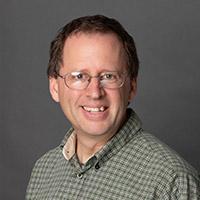
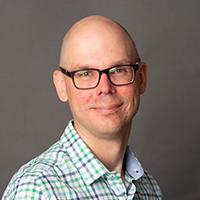
Adam Van Tuyl
Professor and Associate Chair (Undergraduate)
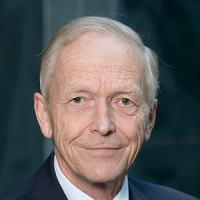
Stephen Walter
Associate Member, Professor Emeritus
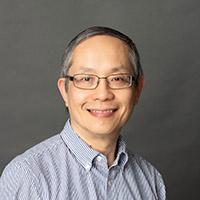
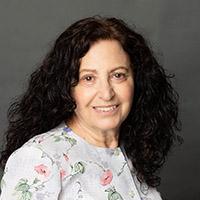
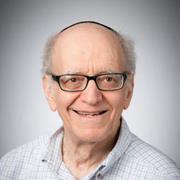


Dr. Indira Chatterjee
Dean's Distinguished Visiting Professor
Conor McCoid
Postdoctoral Fellow